
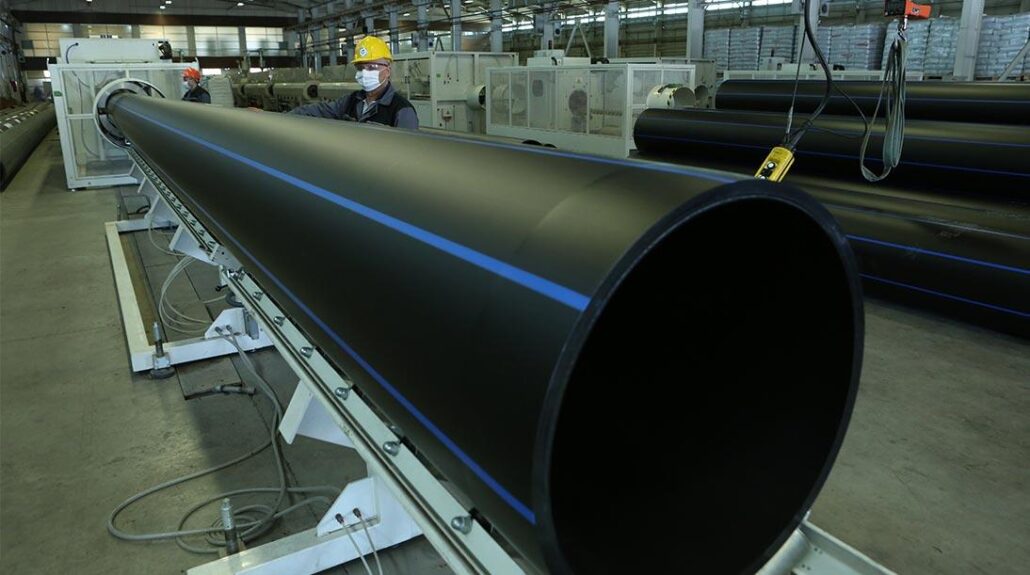
Introduction
The petrochemical industry is one of the most significant sectors of the global economy, supplying essential raw materials for countless products used in modern life. From packaging materials and automotive components to construction products and medical equipment, petrochemical derivatives are at the heart of many industries.
Australia, with its strong industrial base and growing demand for advanced materials, relies heavily on petrochemical products to support manufacturing, infrastructure development, agriculture, and consumer goods production. Understanding the most important petrochemical products provides valuable insight into how this industry drives innovation and economic growth.
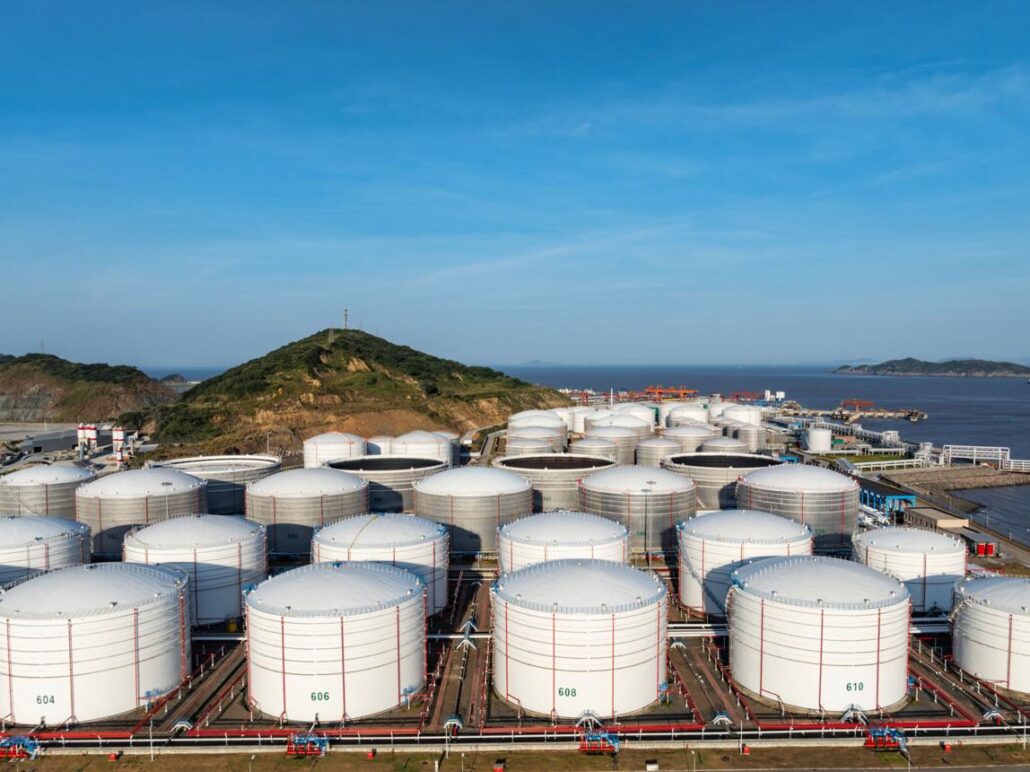
1. Ethylene: The Foundation of Petrochemicals
Ethylene is the world’s most widely produced petrochemical and serves as a primary building block for numerous downstream products. It is mainly derived from the cracking of hydrocarbons such as natural gas liquids and crude oil fractions.
Key Applications:
-
Production of polyethylene plastics
-
Packaging films and containers
-
Pipes and fittings
-
Consumer goods
-
Medical products
Because of its versatility and high demand, ethylene remains the cornerstone of the global petrochemical industry.
2. Polyethylene (PE)
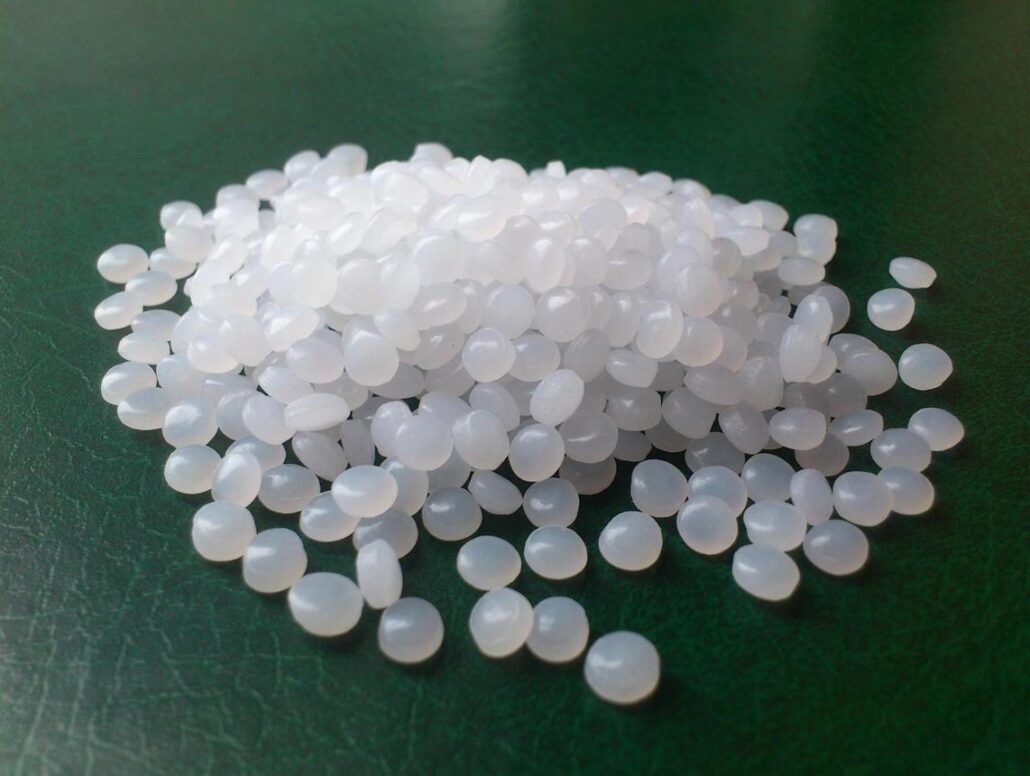
Polyethylene is the most commonly used plastic worldwide. It is lightweight, durable, and resistant to chemicals, making it suitable for a wide range of applications.
Major Uses:
-
Plastic bags
-
Food packaging
-
Water and gas pipes
-
Agricultural films
-
Household containers
The growing demand for sustainable packaging solutions has further increased the importance of polyethylene in modern manufacturing.
3. Propylene and Polypropylene (PP)
Propylene is another essential petrochemical feedstock used primarily to produce polypropylene. This material offers excellent strength, flexibility, and heat resistance.
Common Applications:
-
Automotive components
-
Reusable containers
-
Textiles and carpets
-
Medical devices
-
Consumer electronics
Polypropylene’s durability and recyclability make it one of the fastest-growing plastic materials in global markets.
4. Benzene
Benzene is a crucial aromatic petrochemical used as a precursor for numerous industrial chemicals and synthetic materials.
Key End Products:
-
Synthetic rubber
-
Nylon fibers
-
Detergents
-
Resins
-
Pharmaceutical ingredients
Benzene-based products support industries ranging from healthcare to automotive manufacturing.
5. Styrene
Styrene is primarily used to produce polystyrene and various specialty polymers.
Main Applications:
-
Food packaging
-
Insulation materials
-
Electronics housings
-
Disposable products
-
Construction materials
Its lightweight properties and cost-effectiveness make styrene an important material for both industrial and consumer markets.
6. Methanol
Methanol is one of the most versatile petrochemical products and serves as a key feedstock for many chemical processes.
Industrial Uses:
-
Formaldehyde production
-
Adhesives and resins
-
Fuel blending
-
Biodiesel manufacturing
-
Chemical intermediates
As cleaner fuel alternatives gain attention, methanol continues to play an increasingly important role in the energy transition.
7. Ammonia
Although often associated with the fertilizer industry, ammonia is also a critical petrochemical product.
Applications:
-
Agricultural fertilizers
-
Industrial cleaning products
-
Refrigeration systems
-
Chemical manufacturing
Australia’s strong agricultural sector makes ammonia especially important for supporting food production and export markets.
8. Synthetic Rubber
Synthetic rubber is manufactured from petrochemical feedstocks such as butadiene and styrene.
Common Uses:
-
Vehicle tires
-
Industrial belts
-
Hoses
-
Footwear
-
Sealing products
The automotive and transportation sectors remain major consumers of synthetic rubber worldwide.
Importance of Petrochemical Products in Australia
The Australian economy benefits significantly from petrochemical products through industries such as mining, agriculture, construction, healthcare, and manufacturing. These materials contribute to infrastructure development, improved agricultural productivity, and the production of high-value industrial goods.
As sustainability becomes increasingly important, Australian companies are investing in advanced recycling technologies, cleaner production methods, and innovative materials that reduce environmental impact while maintaining the performance benefits of petrochemical products.
Conclusion
The petrochemical industry provides the essential building blocks that support modern economies and everyday life. Products such as ethylene, polyethylene, polypropylene, benzene, methanol, ammonia, and synthetic rubber continue to drive innovation across multiple sectors. As Australia advances toward a more sustainable industrial future, these petrochemical products will remain vital for economic growth, manufacturing efficiency, and technological development.